Free Guide: The Parent’s Manual for Nut-Free and Low-Sugar School Snacks
Jump to Section
Understanding the Nut-Free Mandate
For modern parents, the "Nut-Free Zone" sign is a familiar sight. While it may seem like a hurdle when planning lunches, these policies are vital safety measures for children with life-threatening allergies. A nut-free snack isn't just about avoiding whole peanuts; it’s about ensuring that the equipment used to manufacture the food hasn't been in contact with tree nuts or peanuts.
When shopping for school, you must look beyond the ingredient list. Look for certifications like "Certified Nut-Free" or "Produced in a Nut-Free Facility." Even a small trace of peanut protein left on a desk or a shared toy can cause a medical emergency. By mastering this category, you contribute to a safer environment for every student in the classroom.
Top Nut-Free, Low-Sugar Categories
If you feel stuck in a rut, consider these four categories that naturally meet both criteria:
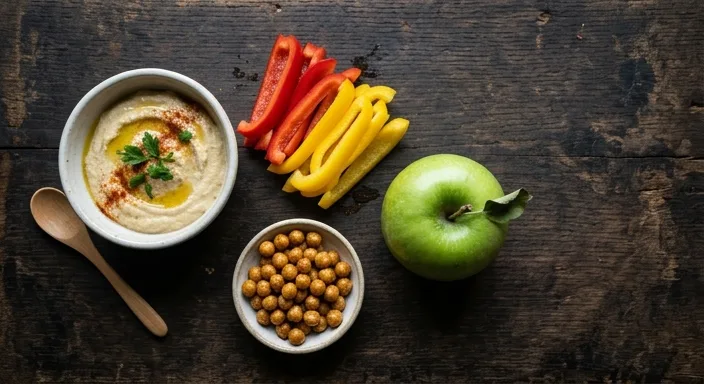
- Crunchy Legumes: Roasted chickpeas and broad beans (fava beans) are excellent alternatives to nuts. They offer high protein and fiber with almost zero sugar.
- Seed-Based Spreads: Sunflower seed butter or pumpkin seed butter provides the creamy texture kids love without the allergen risk.
- Dairy & Alternatives: String cheese, cottage cheese, or Greek yogurt (ensure it is plain or "low sugar" labeled) are protein powerhouses.
- The "Veggie Crunch": Sugar snap peas, mini cucumbers, and bell pepper strips paired with a seed-based dip like tahini or hummus.
DIY Snacks for Busy Mornings
Making your own snacks allows for total control over ingredients. Here are two "5-minute" ideas:
1. Sun-Balls (Nut-Free Energy Bites): Mix rolled oats, sunflower butter, a touch of honey, and flaxseeds. Roll them into bite-sized balls. They are shelf-stable for the day and packed with healthy fats.
2. Savory Muffin Tin Omelets: Whisk eggs with spinach and cheese, pour into a mini-muffin tin, and bake. These can be made on Sunday and tossed into a lunchbox all week. They are naturally sugar-free and nut-free.
Store-Bought: Label Reading 101
When buying packaged goods, the Nutrition Facts panel is your best friend. Follow these three rules:
- Check the "Added Sugars" line: Don't just look at "Total Sugars." Added sugars are the ones linked to the energy crash. Aim for 5g or less.
- The 5:1 Rule: Try to find snacks where the ratio of total carbohydrates to fiber is 5 to 1. For every 5g of carbs, you want at least 1g of fiber.
- Search for "Bold" Allergens: By law, major allergens must be listed. Scan the very bottom of the ingredient list for "Contains: Peanuts, Tree Nuts."
Winning Over Picky Eaters
Transitioning from sugary snacks to whole-food options can be met with resistance. The key is familiarity and presentation. If your child loves chips, try roasted seaweed snacks or air-popped popcorn (check the label for nut-free facilities). If they love candy, try freeze-dried strawberries; they have the crunch and sweetness of candy but consist only of fruit and fiber.
Involving children in the "packing process" also increases the likelihood they will eat the snack. Let them choose between two healthy options: "Do you want the cucumber stars or the roasted chickpeas today?" Giving them agency reduces the power struggle at the lunch table.
Frequently Asked Questions
Is coconut considered a nut for school policies?
According to the FDA, coconut is a tree nut. However, many people with tree nut allergies can safely eat coconut. Always check your specific school's policy, as many allow coconut while banning others.
What about "May Contain Traces of Nuts" labels?
For a strictly nut-free classroom, these items should be avoided. This label means the product was made on shared equipment, and cross-contamination is a high risk.
Are fruit snacks a good low-sugar option?
Usually, no. Most commercial fruit snacks are essentially gummy candies made with juice concentrate and added corn syrup. Whole fruit or unsweetened applesauce are better alternatives.